Parent Researcher & Guide Writer
PARENT RESEARCHER & GUIDE WRITER
A calm 2026 walkthrough of how private school years run across Cyprus, month by month.
Updated
16 min read
LAST REVIEWED:
A calm, month-by-month breakdown of Cyprus private school term dates, holidays, mock exams, and family planning tips from Georgia Konstantinou.
Choosing a school is not only about curriculum or language. The calendar shapes your commute, annual leave and when exam stress lands. Most private schools in Cyprus follow a reliable rhythm that still leaves plenty of room for local tweaks.
If you already know where you live or work, start narrowing calendars by city so you are only emailing realistic options: private schools in Nicosia, private schools in Limassol, private schools in Larnaca & private schools in Paphos each publish slightly different break patterns and exam windows.
Use this calendar guide alongside our deeper decision pieces like How to Choose the Right Private School in Cyprus and Public or Private School in Cyprus? How to Choose What Fits Your Family. Together they give you timing, criteria and realistic next steps.
Every school tweaks dates, but the month-by-month rhythm below is what most families experience across Cyprus. Use it to build your own list of questions.
The year begins with orientation weeks, paperwork and the first routines. Expect staggered starts for younger classes and assessment baselines for older students.
Questions to ask:
October is when rhythms settle and the first long weekends arrive. British-style schools may add a half-term around the national holidays.
Questions to ask:
By November teaching is in full flow. Schools test understanding, meet parents and fine-tune support plans before the Christmas rush.
Questions to ask:
December combines festive events with practical planning. Expect concerts, winter fairs and reminders about the long break.
Questions to ask:
Students return after Epiphany and begin the second term or semester. Older year groups move steadily toward mock exams.
Questions to ask:
Carnival season creates extra closures. Some schools add half terms, while older students sit mock exams before Easter revision kicks in.
Questions to ask:
The most intense stretch, with national holidays, Orthodox Easter and coursework deadlines all colliding.
Questions to ask:
May combines high-stakes exams with more public holidays, so families need a calm routine for older students.
Questions to ask:
By June exams wrap up, younger classes finish projects and schools celebrate with performances, graduations and sports days.
Questions to ask:
Private schools follow the same state holidays but layer on their own half terms, staff days and exam blocks. The more international the programme, the more dates shift to match exam boards.
It becomes easier when you can look at calendars side by side and see how each school treats half terms, revision weeks and report days.
If official recognition matters, filter for schools that are clearly marked as government certified so you know the calendar meets Ministry expectations before you book flights or pay deposits.
Curriculum choice drives the busiest weeks in any calendar. Knowing when mocks and finals happen lets you set family expectations early.
If you want curriculum differences explained clearly, start with curriculum differences explained.
Two-year courses lead into mock exams in February or early March and final exams from early May through mid or late June.
Some subjects offer October or January resits, but the main session dominates family life in late spring.
If you already know you want the British route, filter the private schools in Cyprus directory by curriculum tags or jump straight to schools that offer the International Baccalaureate if you want an alternative that still follows international timetables.
The IB runs on a tight two-year structure with internal assessments staggered across the calendar and final exams in early May of Year 13.
Extended Essay, CAS and TOK checkpoints often land before Christmas of the final year, so plan family trips around those deadlines.
Schools that run the Cyprus or Greek national curriculum follow Ministry exam blocks in late May and June.
Yearly assessments happen at the end of each term, and final-year students may also sit Pancyprian exams for university entry.
Start with schools that follow the Cyprus national curriculum if you want the most direct line into local universities.
Once you understand the structure, the calendar becomes a planning tool instead of a source of panic. These reminders keep everyone sane:
Use the admissions timing to line up applications with each school’s term dates.
Before you promise a commute, check real travel times on a map of schools across Cyprus so you know exactly how long winter mornings will take.
Match the calendar to language expectations too. Exam support looks different in English-medium private schools compared with Greek-medium private schools, and planning exam years around the right teaching language saves a lot of stress.
You do not need a 40-question spreadsheet. A focused checklist covers everything important and keeps conversations calm.
Use this on your school visits: use this on your school visits.
Once you have the answers, add them to a simple online comparison table so you can spot clashes between favourite schools immediately.
If you are starting from zero, a short school finder quiz helps you filter by city, curriculum and language before you even ask for calendars.
Still torn between systems? Revisit our Public vs Private guide above and pair it with this checklist so you see how daily life, term dates and exams overlap.
Most private schools start in the first or second week of September and finish in mid or late June, with a long summer break. Always ask for the official calendar for the exact year and curriculum you need.
They follow the national holidays plus similar Christmas and Easter breaks, but may add half terms, staff training days and labelled revision weeks. Confirm what is extra at each school.
Typically 10 to 11 weeks from late June until early September. Some campuses run optional camps during part of the summer, so ask if you need childcare.
The main IGCSE and A Level sessions run from early May through June, with smaller sessions in October or January. IB Diploma exams take place in early May. Schools align teaching, mocks and revision to those windows.
Ask at least one school year before you need a place so you can plan travel, childcare and work. Most schools publish draft calendars in spring and confirm them before summer.
MEET THE GUIDE AUTHOR
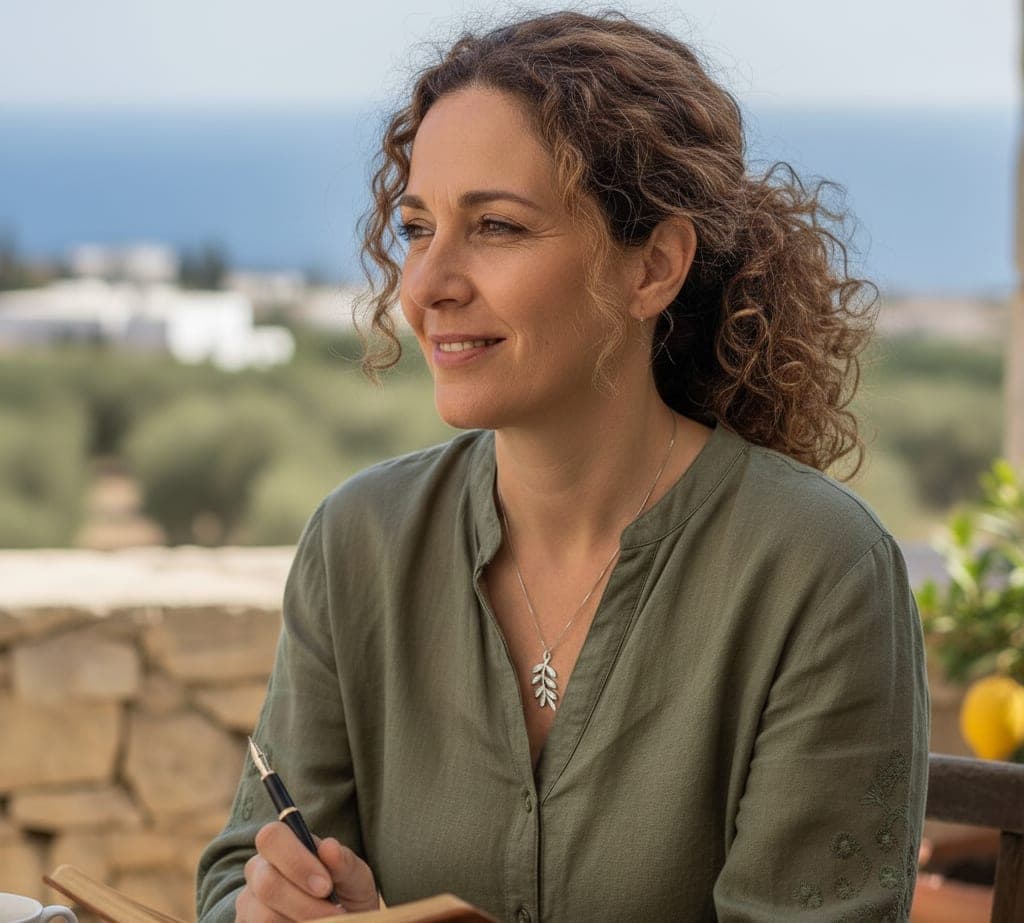
Georgia Konstantinou researches Cyprus school options so parents can ask sharper questions before they commit.
ADMISSIONS PLANNING
Maria Ioannou demystifies how private school admissions actually run in Cyprus for 2026: when to apply, which documents to prepare, how entrance exams work, and how to handle waiting lists or mid-year transfers.
Read articleEXAM TIMETABLE GUIDE
Georgia Konstantinou explains how Cambridge June 2026 exam timetables work in Cyprus, which dates matter first, and what families should confirm with schools before exam season gets real.
Read articleVISIT CHECKLIST
A practical, printable checklist to use during private school visits in Cyprus so you can look past marketing and focus on what matters for your child.
Read articleDECISION GUIDE
A comprehensive guide to help parents in Cyprus navigate private school selection with confidence. Covers curriculum types, costs, support systems, and more.
Read articleNEED CLARITY FAST?
Use the School Finder quiz to surface Cyprus private schools by city, curriculum, language and support so you only chase calendars that truly fit your family.