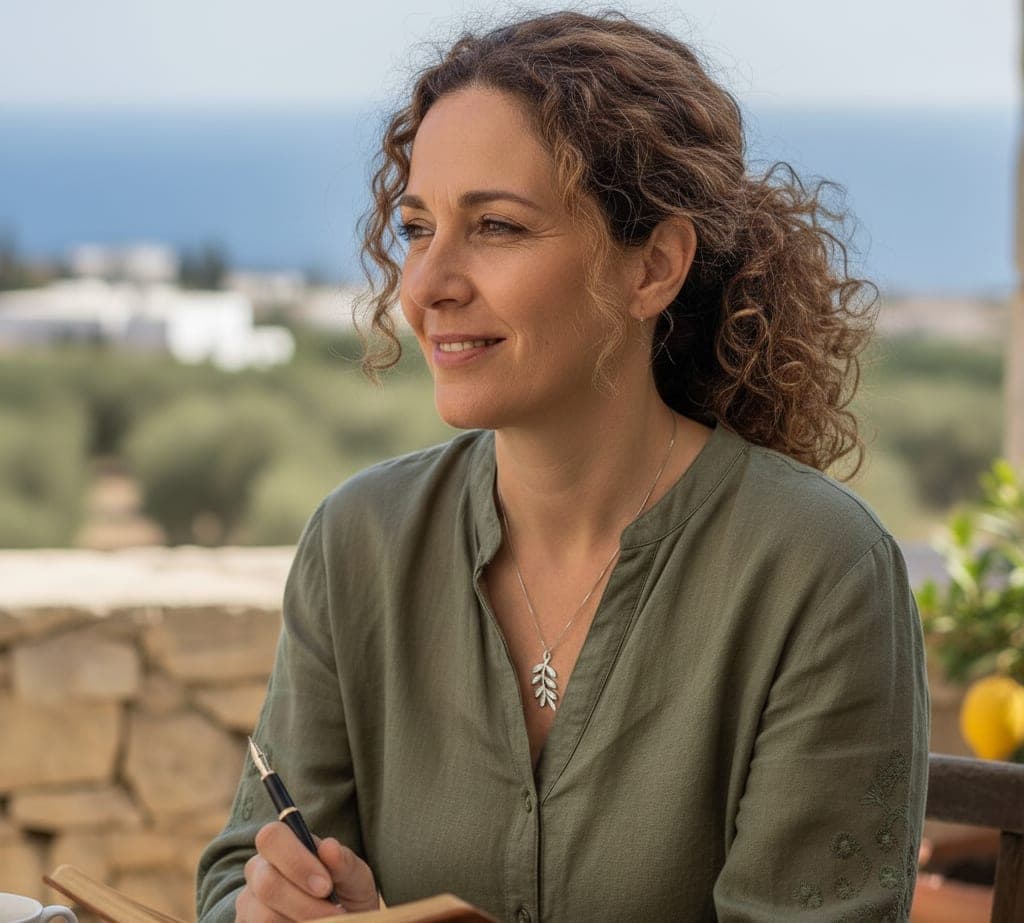
Parent Researcher & Guide Writer
AUTHOR
2026 PARENT GUIDE
A calm, practical 2026 guide from a parent and researcher at PrivateSchools.cy
Updated
Reading time: ~14 minutes
LAST REVIEWED:
WRITTEN BY
A simple 2026 guide from a mum who has actually done it
When I first started looking at private schools in Cyprus for my child, I searched for “best private schools in Cyprus” and “international schools in Cyprus”, opened twenty tabs, felt a knot in my stomach, and still had no clear answer.
After prospectuses, open days, emails, and a lot of thinking, I realised there is a calmer way to approach this. The guide below is what I wish I had at the beginning: practical, based on real decisions, and adaptable to your family no matter the city.
Before you look at any school website, answer a few questions on paper.
If you are still weighing the public vs private decision, read that guide before comparing individual schools.
When I finally wrote these down, the whole search became easier. Instead of asking “What is the best private school in Cyprus”, I started asking “Which private schools in Cyprus fit this child and this family?”.
For example, if you live in the capital, you might start by looking only at private schools in Nicosia instead of searching the whole island.
Keep this page of notes nearby. Every time a school looks impressive, check it against this list.
Use the admissions timeline so you know when to start, when applications open, and how long each step usually takes.
In Cyprus you will usually see four broad kinds of private school.
Browsing a current list of private schools in Cyprus makes it easier to see these different school types and curricula side by side.
The curriculum is not just a label for marketing. It affects which exams your child will take at the end of secondary school and which universities will recognise those qualifications.
If you feel stuck on curriculum choice, this guide breaks down the options clearly.
Some very practical points to think about:
When you read about a school, try to find a straight answer to these questions.
You do not need to plan your child’s entire career now. You do want to avoid choosing a path that closes obvious doors.
If a specific curriculum matters, use the filters to show schools that follow it, such as Cyprus National Curriculum (Greek) or browse the private schools in Cyprus and then scan each listing's curriculum tags to spot British or A-Level routes even before those filters are available.
Language is one of the biggest real world issues, especially in a country like Cyprus.
For every school you consider, separate two things in your mind.
Some examples of what families often want.
Ask schools clear questions.
If a second or third language is important, you can use the language filters to list all private schools that teach it – for example, schools that offer French as a taught language alongside other options.
Children learn and behave very differently when they understand what is happening in class. Getting the language environment right can make the difference between confidence and constant stress.
For families working on the Greek and English balance, this bilingual guide is worth reading.
It is easy to fall in love with a school in another part of the city when you are just looking at photos.
Before you get attached, open an interactive map of private schools in Cyprus and do something very simple. For each school on your list, check:
The term dates and school calendar helps you map routines, holidays and exam weeks against your daily commute.
Ask yourself honestly.
When I did this properly, one school that looked perfect on paper quietly disappeared from my list. It would have meant at least two hours in the car every day. A slightly less “famous” school but much closer to home turned out to be a better choice for our real life.
Tuition is only part of the picture. To avoid surprises, try to get clear information in writing on:
I found it helpful to make a small table for each school and calculate a rough yearly total.
Then I asked myself three questions.
Switching schools because of money is much harder on children than choosing something slightly more modest from the beginning.
Every child learns differently. Some thrive independently, while others need more attention, structure, or tailored support. Understanding what your child needs helps you identify the right environment.
KEY INSIGHT
Schools that take support seriously don’t just help children with diagnosed needs - they create an environment where all students can ask for help without stigma.
“During school visits, I paid close attention to how staff talked about children who struggle. Some schools focused only on results and high achievers, saying very little about support systems. Others had clear, compassionate frameworks for helping children who find reading, attention, or social situations challenging.”
- Georgia Konstantinou, Parent Researcher & Guide Writer
Remember: A child doesn’t need a formal diagnosis to benefit from a school that prioritises support. Look for schools where asking for help is normal and where staff speak about all learners with respect and optimism.
Modern buildings can be impressive, but they are not everything. Still, facilities and activities do matter for daily experience.
Look at:
Then read about activities.
Now think realistically about your child. Would they actually join these activities? Are there at least one or two options that match their current interests? Are there possibilities for them to try something new in a safe way?
I found that my child’s happiness depended a lot on what happened outside the core lessons. A school with a strong activity program that fitted his personality made him far more willing to go in the morning.
Before you fall in love with any school, quietly check a few basic facts.
Looking across several private schools in Cyprus side by side makes it easier to see which ones are clearly licensed, long-established and transparent about their status.
I tried to talk to parents privately rather than only relying on online reviews. When several people independently mention the same strength or the same problem, it is worth paying attention.
Online reviews can still be useful, but I treat them as starting points for questions, not final verdicts. One very angry or very enthusiastic comment on its own does not tell the full story.
When you contact schools or visit, having a short list of questions makes everything easier. You do not need a huge questionnaire. A few well chosen questions tell you a lot.
Examples:
About your child
About curriculum and language
About the school day
About behaviour and wellbeing
About fees
I wrote the answers down immediately after visits, before I forgot. It made comparisons much easier later.
If you still feel overwhelmed, a short school finder quiz can help you organise your priorities and highlight a few schools that match your answers.
Websites and documents are useful, but nothing replaces walking through the school.
Bring a school visit checklist so every visit answers the same core questions.
During visits I paid more attention to atmosphere than to fancy buildings.
I watched:
After each visit I asked my child simple questions.
Their answers were often very short, but the tone and body language said a lot.
At the end I had three real options that were all good in different ways. That was the hardest moment.
What helped was using a simple online comparison table with rows like:
When I looked at it that way, one school clearly matched our situation best, even though another one had a slightly better reputation on paper.
The school we chose is not perfect. No school is. But it fits our child, our family routines, and our long term plans much better than my first “top private schools Cyprus” search results ever did.
If you work through these steps in your own way, you will not remove every doubt, but you will know that your decision about a private school in Cyprus was thoughtful, informed, and centred on your child, not on pressure or panic.
It’s sensible to start researching Cyprus private schools at least one school year before you need a place, especially for popular classes or international programmes. That gives you time to think about curriculum, language of instruction, location, fees and support, and to visit schools without rushing.
There is not a single best private school in Cyprus for every child. A school that looks impressive on paper might not suit your child's language level, temperament, support needs, or daily routine. It is more useful to ask which private schools fit this child and this family.
Curriculum is crucial because it determines which exams your child will take and which universities will recognise them. The Cyprus national curriculum and Apolytirion are important for local and Greek universities, while IGCSE, A Levels or the IB Diploma are often expected for universities in the UK and other countries. You don’t need a full career plan, but you should avoid a path that closes obvious doors later.
A practical first filter is city and commute, curriculum and final exams, language of instruction and languages taught, plus fees and likely extra costs. Once those basics make sense, you can compare class size, support systems, facilities and activities between your shortlisted schools.
Ask specific questions about class size, learning support teachers, special education services, counselling and how the school handles bullying or social difficulties. Look for clear answers and concrete examples rather than vague reassurances.
A long, stressful commute can affect sleep, mood and family life, even if the school has excellent exam results. Check real travel times during rush hour from home or work and ask whether you can sustain that journey five days a week, in winter and over several years, especially if you have more than one child.
Once you have a shortlist, put the schools in a simple comparison table: city and commute, curriculum and final exams, language of instruction and languages taught, fees and extra costs, class size and support, facilities and activities, and how you and your child felt during visits.
MEET THE GUIDE AUTHOR
Georgia Konstantinou researches Cyprus school options so parents can ask sharper questions before they commit.
ADMISSIONS PLANNING
Maria Ioannou demystifies how private school admissions actually run in Cyprus for 2026: when to apply, which documents to prepare, how entrance exams work, and how to handle waiting lists or mid-year transfers.
Read articleCURRICULUM EXPLAINER
A curriculum-by-curriculum guide explaining how A-Levels, the IB Diploma, the Apolytirion and the American system work in Cyprus, and how to match each option to your child.
Read articleLANGUAGE PLANNING
A practical 2026 guide for families who want the benefits of English private education without losing strong Greek reading, writing, spelling and confidence.
Read articleFINANCIAL GUIDE
Maria Ioannou explains how private school fees in Cyprus add up for 2026, from tuition and deposits to uniforms, transport, clubs, and exam entries.
Read articleNEED CLARITY FAST?
Answer a few parent-friendly questions and we will shortlist schools with available profile information that match your city, curriculum, and budget preferences.