Parent Researcher & Guide Writer
AUTHOR
A practical 2026 guide from Georgia Konstantinou on the week-to-week differences that shape family life.
Updated
15 min read
LAST REVIEWED:
WRITTEN BY
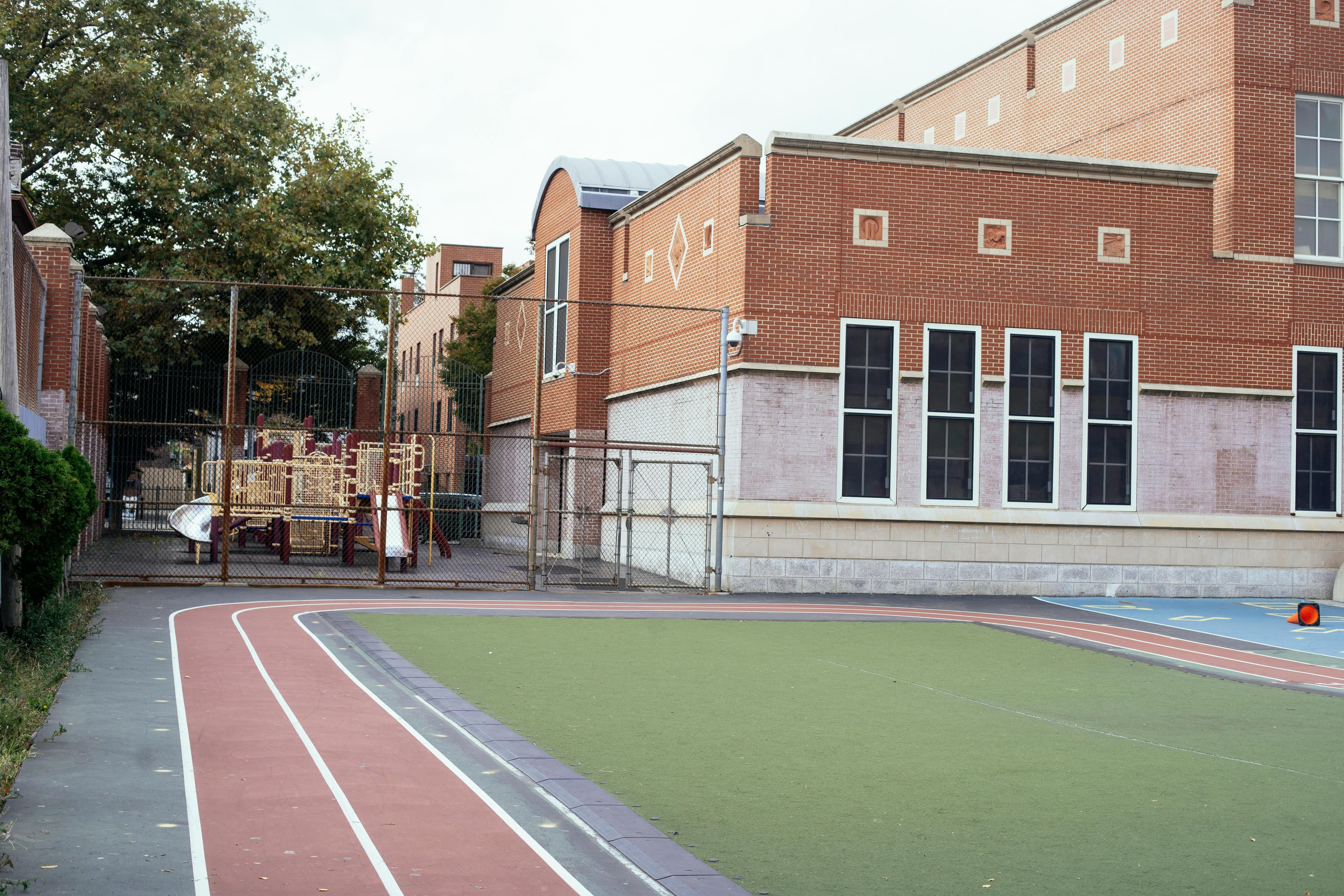
A breakdown of the real differences between public and private schools in Cyprus so you can match curriculum, language, timetable, costs, and support to your family in 2026.
Choosing between public and private school is rarely about a single best option. It usually comes down to fit: curriculum pathway, language goals, the daily timetable, and how your family manages afternoons, holidays, and exam seasons. This guide focuses on the real differences parents feel week to week, not the marketing claims.
| Category | Public school (typical) | Private school (typical) |
|---|---|---|
| Choice | Assigned by area (less choice) | You choose (more choice) |
| Curriculum | Cyprus national curriculum | Cyprus, British, IB, and other pathways |
| Language | Greek instruction (with English as a subject) | Often English-medium or bilingual, varies by school |
| Daily hours | Often finishes around early afternoon in primary | Often longer day with on-campus clubs and supervision |
| Holidays rhythm | Public calendar plus public holidays | Can differ by school and curriculum (some add half terms, INSET days) |
| Admissions | Formal registration windows and procedures | Rolling admissions, assessments, waiting lists vary by school |
| Afternoons | Tutors, sports academies, logistics across locations | More all-in-one on campus, depends on school |
| Cost | No tuition, but tutoring and afternoons add up | Tuition plus extras; sometimes fewer external tutors needed |
If you want a month-by-month view of the school year, use the month-by-month Cyprus school calendar as your reference point.
This is the biggest structural difference, because it shapes the exams your child will sit and the doors that stay open later.
Public schools in Cyprus
Public schools follow the national framework and progress toward the local leaving qualification and admissions routes. This is often the most direct path for families prioritising Greek literacy, cultural integration, and a local university pathway.
Private schools in Cyprus
Private schools are more varied. Some follow the national pathway, some follow British-style programmes, and some offer the IB Diploma. The key is the leaving certificate and what recent graduates used for university entry.
If you want the curriculum decision explained properly, start with A-Levels vs IB vs local pathways in Cyprus.
Practical questions to ask (public or private):
The timetable is where families either feel calm or feel constantly rushed.
Public primary timetable basics
Primary schools run structured teaching periods and breaks. The Ministry's published structure for primary includes seven teaching periods of 40 minutes and three breaks totalling 40 minutes.
Many public settings operate on an early finish model in the early years. Parents often plan the afternoon around tutoring, home study, sports academies, and childcare cover.
There are also all-day models in the public system that extend later into the afternoon on certain days, depending on the programme type.
Private school timetables
Private schools often run longer days, especially those that position themselves as full-day programmes. The biggest family benefit is usually logistics: homework club, activities, and supervision often happen on campus.
The trade-off is that a longer day does not automatically mean less stress. The quality of the day matters: transition time, homework load, and how late the child finishes.
If you want a checklist for what to observe during visits, use the private school visit checklist.
Parents often underestimate how much the calendar shapes family life: childcare, travel, fatigue, and exam pressure.
Public school rhythm
Public schools generally align closely to the national calendar and public holidays, with predictable closure periods. The day-to-day rhythm is stable, but afternoon coverage is usually on the family.
Private school rhythm
For a practical month-by-month breakdown, use the month-by-month Cyprus school calendar.
This is not only about academics. It affects confidence, friendships, and how at home a child feels.
Public schools
Greek instruction is the default, with English taught as a subject. This often supports strong Greek literacy and local integration.
Private schools
Many are English-medium, some are bilingual, and some offer structured pathways for additional languages.
If your family is balancing languages, read raising a bilingual child in Cyprus.
What to clarify with any school:
Families often assume public means large class and limited support, while private means small class and strong support. In reality, both vary.
The difference is usually how support is structured and how quickly it is mobilised.
What to verify (public or private):
For admissions timing and documentation, use the private school admissions process and timelines.
A very Cyprus-specific reality is how afternoons are handled.
Public route
Many children do afternoon activities through external academies (sports clubs, music schools, tutoring centres). This can be high quality, but logistics can be intense.
Private route
More activities may be offered on campus, immediately after lessons. Convenience is the big win, but the level can range from recreational to serious.
The right question is not whether the school offers activities. It is whether your child will attend consistently without the family burning out.
Public costs (often underestimated)
Private costs (often simplified)
A practical approach is to compare on a three to five year horizon, not month to month.
Use a calm, two-stage decision so you do not spiral between systems.
Stage 1: decide your non-negotiables
Stage 2: compare specific schools, not systems
Most families are not choosing public vs private in theory. They are choosing between:
If you want the longer decision framework, see the public vs private decision guide.
In many cases, yes. The afternoon often becomes the family's responsibility through childcare, tutoring, and activities. Some public programmes extend later depending on school type, so confirm what applies in your district.
Sometimes close, sometimes not. Some private schools add half terms or staff training days, and exam year groups can shift the practical rhythm of May and June. Use a month-by-month calendar lens when comparing.
Yes. Public enrolment tends to follow defined registration windows for the upcoming school year, while private schools often run rolling admissions with their own deadlines, assessments, and waiting lists.
It depends on the model and the child. What matters is how languages are used across subjects, the quality of teaching in each language, and whether the home environment supports literacy.
Decide your non-negotiables, then compare only the specific schools that truly fit your reality. Visiting two to four schools is usually enough if your shortlist is sensible.
MEET THE GUIDE AUTHOR
Georgia Konstantinou researches Cyprus school options so parents can ask sharper questions before they commit.
PUBLIC VS PRIVATE
A practical walkthrough of public vs private school in Cyprus so you can match curriculum, language, timetable, cost, and support to your real life.
Read articleLANGUAGE PLANNING
A practical 2026 guide for families who want the benefits of English private education without losing strong Greek reading, writing, spelling and confidence.
Read articleCURRICULUM EXPLAINER
A curriculum-by-curriculum guide explaining how A-Levels, the IB Diploma, the Apolytirion and the American system work in Cyprus, and how to match each option to your child.
Read articleBILINGUAL FAMILIES
A practical guide for families balancing Greek, English, and home languages - how private schools can support or harm bilingual development in Cyprus.
Read articleNEED CLARITY FAST?
Use the School Finder quiz to shortlist Cyprus private schools by city, curriculum, language, fees, and support so you can compare them against your local public option.